Why Your 30s and 40s Are the Time to Invest in Your Skin

You do not wake up on your 30th birthday with completely different skin.
The changes are much quieter than that.
Your skin may start to feel slightly drier. Makeup may not sit quite as beautifully as it once did. Fine lines remain visible for longer after you smile. Your skin may look tired even when you are not, and that natural firmness and bounce can gradually become a little less noticeable.
It is often during our thirties and forties that we begin to realise good skincare alone may no longer be enough.
This is the point at which I believe we should stop thinking only about correcting individual lines and start thinking about investing in the quality and structure of the skin itself.
What starts changing in your thirties?
Collagen and elastin are two of the proteins that give healthy skin its structure, firmness and ability to spring back.
Collagen production begins to decline gradually from early adulthood, commonly estimated at around 1% each year.
By our thirties and forties, the cumulative effects often become more visible.
Sun exposure, stress, smoking, hormonal changes, sleep and genetics all influence how quickly we notice those changes. For women, the decline can become more pronounced during perimenopause and menopause as oestrogen levels change.
This may appear as:
Fine lines that remain visible for longer
Skin that feels drier or less resilient
Reduced firmness and elasticity
Enlarged-looking pores
Uneven or rough texture
A duller or more tired appearance
Acne marks that seem to take longer to settle
Makeup sitting differently on the skin
This does not mean something has suddenly gone wrong. It is simply part of the biology of ageing.
But it does mean that your thirties and forties are a valuable time to begin supporting the skin’s structure—before those changes become much more established.
Invest in your skin before you feel you need to “fix” it
We often invest in our fitness before we become unfit. We protect our bone density before it becomes a problem. We look after our teeth consistently rather than waiting until they require extensive treatment.
Skin deserves the same long-term thinking.
The phrase collagen banking is now used frequently in aesthetics. It does not mean that collagen can literally be stored away or that any treatment can stop ageing.
It describes a more proactive approach: supporting collagen production and maintaining the quality of the skin you have now, rather than waiting until significant laxity, fine lines or textural changes have developed.
The aim is not to look frozen, overtreated or dramatically different.
It is to help your skin remain smoother, firmer, brighter and more resilient as you age.
One of the treatments designed to do exactly this is SkinPen medical microneedling.
What is SkinPen microneedling?
SkinPen is a medical microneedling device that creates thousands of precise, controlled microchannels in the skin.
These microchannels trigger the skin’s natural healing and remodelling response. As part of this process, the skin begins producing new collagen and elastin.
This is why microneedling is also known as collagen induction therapy.
Rather than adding volume or changing the shape of your face, SkinPen works on the quality of the skin itself.
It may be used to improve the appearance of:
Fine lines
Enlarged pores
Uneven skin texture
Acne scarring
Early loss of firmness
Dull or tired-looking skin
Uneven tone
Skin on the face, neck and décolletage
The results are gradual and natural. You should not look as though you have “had something done”. The goal is for your skin to look healthier, smoother and more luminous.
Why start in autumn?
Autumn is one of my favourite times to begin a course of skin treatments.
After the summer, skin can feel dehydrated, congested or uneven. Holidays, increased sun exposure, travel and disrupted routines can all leave it looking a little less fresh.
At the same time, reduced sun exposure can make it easier to follow the aftercare required following microneedling.
Most importantly, collagen remodelling takes time.
SkinPen is not simply a facial that gives you a temporary glow for a few days. It initiates a biological process that continues over the following weeks.
Beginning a course in autumn allows time for the skin to renew gradually as we approach Christmas and the new year. Instead of trying to rescue the skin with a last-minute facial before an event, you are giving it time to become stronger, smoother and healthier from within.
SkinPen is the foundation - but it can be elevated
SkinPen is an excellent treatment in its own right. For many patients, a course of microneedling alone is an ideal way to begin investing in their skin.
However, treatment can also be elevated with regenerative options chosen according to what the skin needs.
At Dr Kate BB Aesthetics, this may include topical Ameela Exosomes or a separate treatment plan incorporating injectable polynucleotides.
They are not the same treatment, and they do not address the skin in exactly the same way.
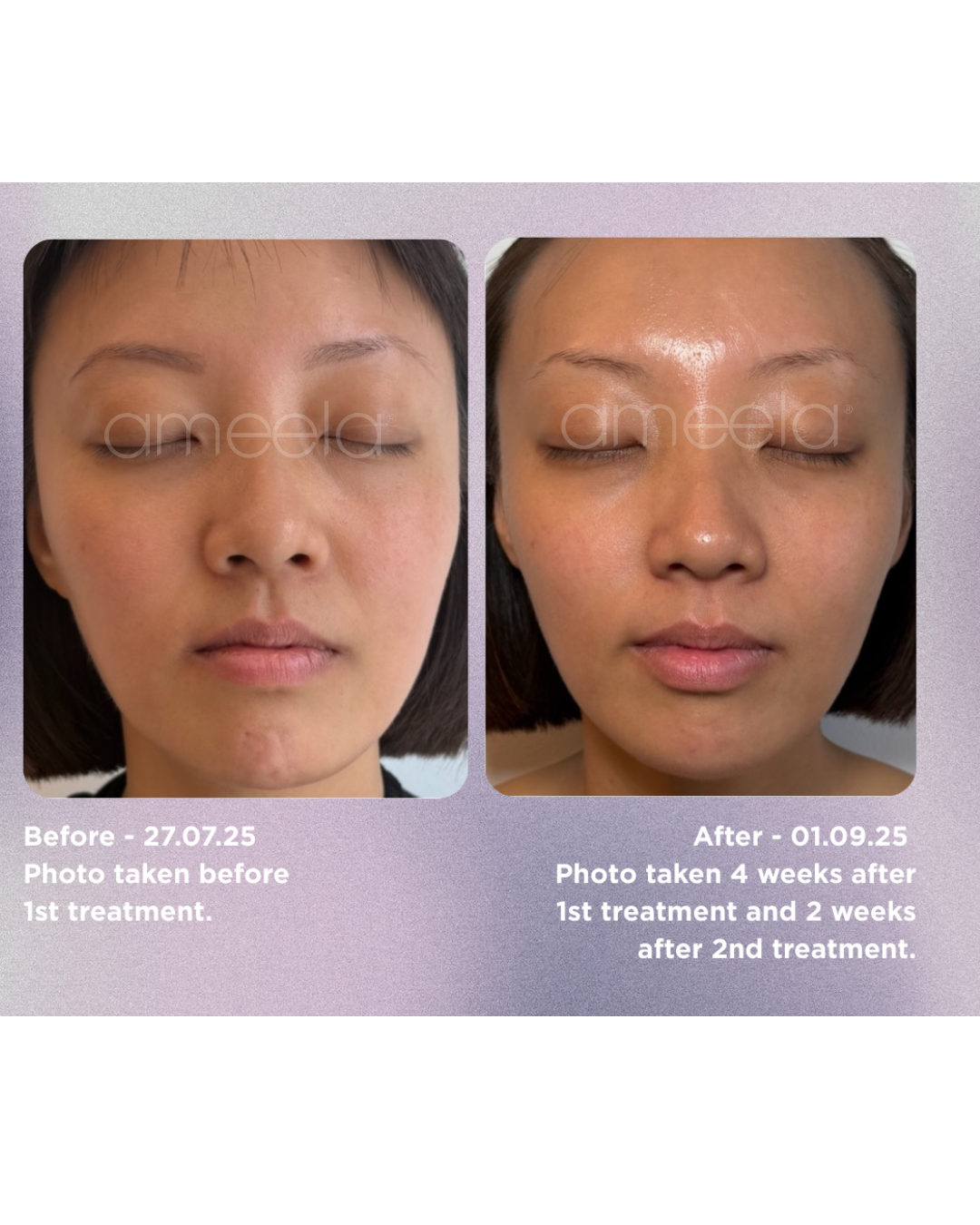
SkinPen with Exosomes
Exosomes can be applied topically as an advanced addition to a SkinPen microneedling treatment.
The formulation combines plant-derived exosomes from grapefruit and watermelon with PDRN, hyaluronic acid, peptides and growth factors.
This option is particularly appealing when the skin looks:
Dull or stressed
Dehydrated
Uneven in texture
Less radiant than usual
In need of additional support following summer
The exosome formulation is used externally as part of the microneedling protocol. It is not an injectable exosome treatment.
For the right patient, it can turn a standard microneedling appointment into a more comprehensive skin-rejuvenation treatment focused on collagen, hydration, recovery and radiance.
SkinPen and Polynucleotides
Polynucleotides take a different approach.
They are injectable skin-rejuvenation treatments made from purified DNA fragments and are used to support hydration, elasticity and overall skin quality without adding artificial-looking volume.
They can be particularly helpful for skin that feels:
Thin or crepey
Dehydrated
Less elastic
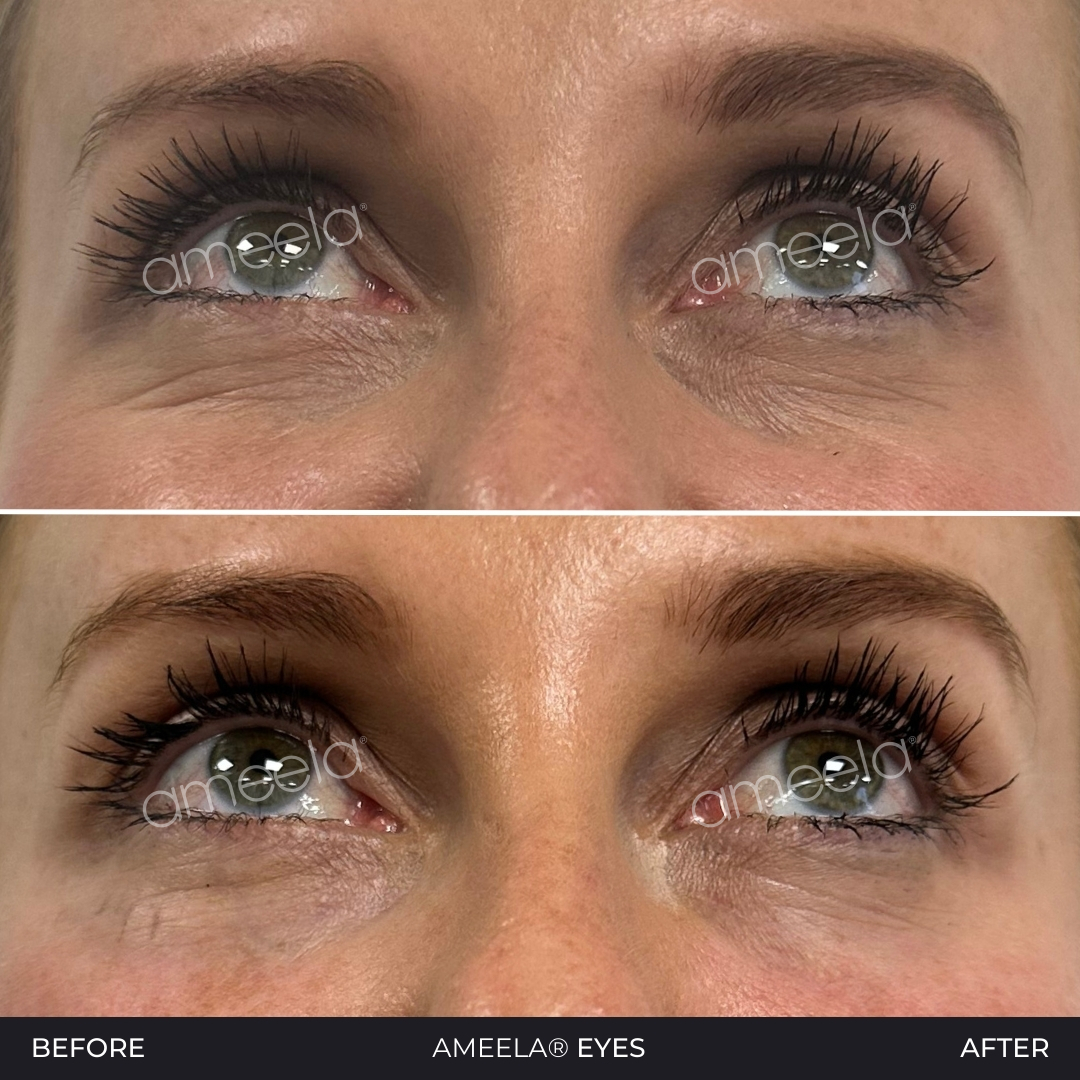
Tired around the eyes
More visibly affected by hormonal or age-related changes
SkinPen and polynucleotides are separate procedures, but they can complement one another within a carefully timed treatment plan.
SkinPen focuses on controlled collagen induction and surface texture. Polynucleotides can provide more targeted support for hydration, elasticity and areas of thinner or more delicate skin.
This does not mean that everybody needs both treatments. It means that skin rejuvenation can be planned in layers, depending on what is actually changing within your skin.
Which treatment would give you the best result?
The best treatment is not necessarily the one that is trending on Instagram.
It is the one that targets what your skin genuinely needs.
If the main concerns are enlarged pores, uneven texture, fine lines or acne scarring, SkinPen alone may be the best place to start.
If the skin also feels dehydrated, dull or stressed, adding topical Ameela Exosomes may provide a more advanced treatment experience.
If there is more noticeable crepiness, reduced elasticity or delicate under-eye skin, polynucleotides may be incorporated separately into the wider plan.
Some patients benefit from one treatment. Others achieve their best results through a structured course that works on several aspects of skin quality over time.
That is why a consultation and proper skin assessment are so important.
One treatment or a course?
Although one SkinPen session can be a valuable introduction, skin rejuvenation is rarely about doing something once and forgetting about it.
Collagen production is a gradual process.
A course of three treatments, usually spaced approximately four weeks apart, is often recommended as a starting point.
More established acne scarring or textural concerns may require a longer course.
The skin continues remodelling between appointments and after the course has finished. This is what makes it such an attractive option for patients who want gradual improvement without looking noticeably treated.
Once an initial course is complete, occasional maintenance treatments can help support skin quality as part of a longer-term plan.
What does SkinPen feel like?
A topical numbing cream may be applied before treatment to make the experience more comfortable.
Most patients describe light pressure, vibration or a scratching sensation. The treatment itself usually takes approximately 30 minutes, although additional time is needed for preparation, numbing and aftercare.
Immediately afterwards, the skin will usually look pink or red and may feel warm and tight—similar to mild sunburn.
This often settles within one or two days, although recovery varies. Some dryness, sensitivity or light flaking can also occur while the skin renews.
You will be given personalised aftercare, including advice on skincare, exercise, sun exposure and when to restart active ingredients.
When will you see a difference?
Some patients notice that their skin appears fresher once the initial redness has settled, but the real value of microneedling is what happens gradually.
New collagen does not appear overnight.
Texture, firmness and the appearance of fine lines or scarring may continue to improve over the following weeks and months as the skin remodels.
That is why the best time to begin is not the week before you want your skin to look good.
It is now—while there is enough time for the process to take place properly.
Your future skin is being created now
We cannot stop ageing, nor should that be the objective.
But there is a significant difference between simply watching the skin change and actively supporting it through those changes.
Your thirties and forties are not too early to begin skin treatments. For many women, this is precisely the time when a thoughtful, collagen-focused strategy has the most value.
SkinPen microneedling helps stimulate the skin’s natural renewal processes. Ameela Exosomes can be added when hydration, radiance and recovery are priorities. Polynucleotides can provide more targeted regenerative support within a separate, carefully planned treatment programme.
The aim is not to chase every line.
It is to invest in stronger, healthier and more beautiful skin for the years ahead.
If your skin is beginning to feel drier, duller or less firm—or you simply want to begin taking a more proactive approach—autumn is an excellent time to start.
Book a skin consultation with Dr Kate to create a personalised collagen and skin-rejuvenation plan at Dr Kate BB Aesthetics in Battersea or Fulham.
Dr Kate Bennett-Brown
MBChB BMedSci (Hons) MRCS
Doctor-led medical aesthetics in London
Every treatment requires an individual assessment. Suitability, recommended combinations, recovery and results vary between patients.